Thinking about adding an accessory dwelling unit to your Bristol home for rental income, multigenerational living, or better resale flexibility? In a historic coastal town with a wide mix of lot sizes and building styles, the right ADU should fit your property and pass local review the first time. In this guide, you’ll learn smart size ranges, layouts that work on Bristol lots, what approvals to expect, and the cost and utility factors that shape feasibility. Let’s dive in.
Why ADUs fit Bristol homes
Bristol includes compact historic neighborhoods near downtown and the waterfront, early- to mid-20th-century blocks on modest lots, and larger suburban or waterfront parcels. That variety means your ADU plan should match your lot and context.
If your lot is smaller or in a historic area, interior or attached ADUs often make sense. On deeper or larger parcels, a detached cottage or garage conversion can offer more privacy. Coastal and low-lying locations may bring floodplain rules into the picture, so placement and elevation matter from the start.
Choose the right ADU size
Picking a size that serves your goals while meeting local caps is key. Municipalities often limit ADUs by fixed square footage or as a percentage of the main home. Confirm Bristol’s current limits before finalizing plans.
- Micro or studio: 300 to 500 square feet. Good for basement or attic conversions and small stand-alone cottages on tight lots.
- Small 1-bedroom: 500 to 750 square feet. A strong balance for single occupants or couples and often the best income-generating size on smaller parcels.
- 1 to 2 bedroom: 750 to 1,000 square feet. Common caps fall in this range under many ADU-friendly rules and work well for multigenerational needs.
- Larger 2-bedroom: near 1,000 to 1,200 plus square feet. More likely on larger lots or when converting an existing structure such as a garage with an addition.
Tip: If your property has septic instead of sewer, bedroom count and wastewater flow can influence maximum ADU size. Plan that check early.
Match ADU type to your lot
Different ADU types fit different Bristol contexts. Here is how to think it through.
- Attached or interior ADU. Works well where lot coverage is tight or alignment with neighboring homes matters. Costs can be lower since you share walls and utilities. You trade some privacy for convenience.
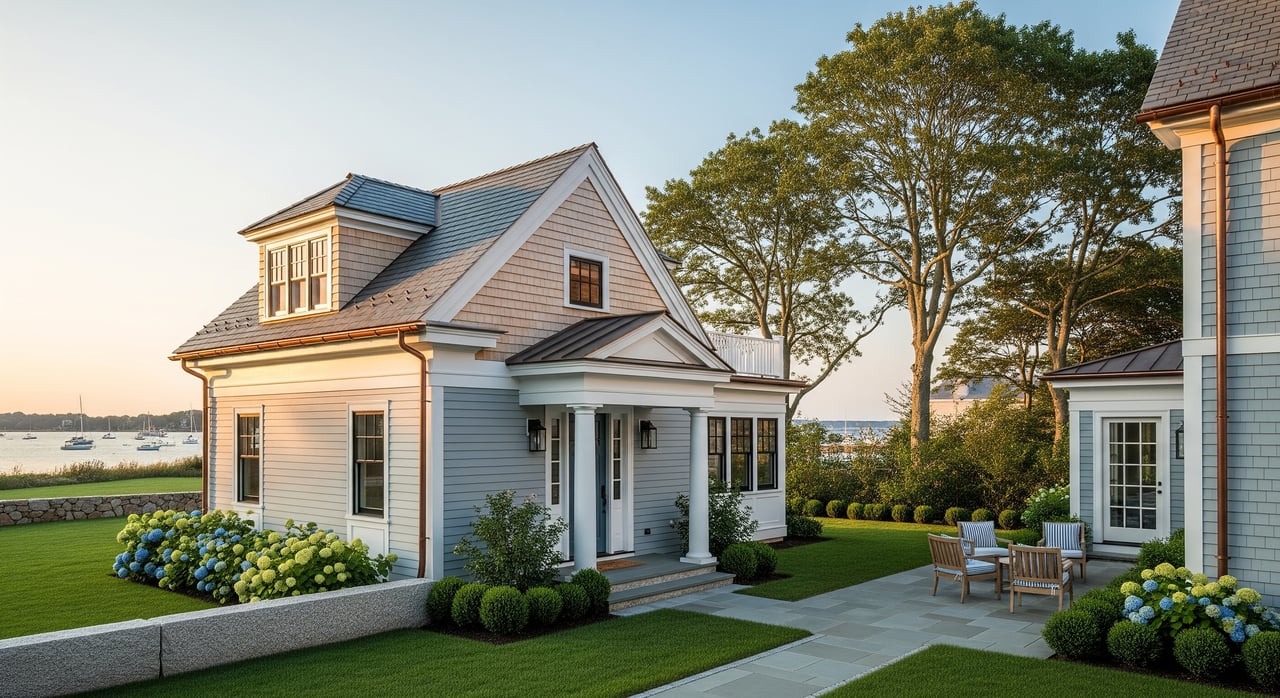
- Detached cottage. A backyard unit is a good fit on deeper or larger lots. Keep roof pitch, siding, and window patterns compatible with the main house, especially near historic areas.
- Garage conversion or unit above. Uses existing footprint efficiently. Ideal when you cannot expand the building footprint.
- Basement or walkout ADU. Often cost-effective in homes with usable basements. You must meet egress, ceiling height, daylight, and moisture control requirements.
- Attic or dormer unit. Works where vertical expansion is allowed and egress rules can be met. Compact stairs or stacked stairs help save space.
Layout tips by square footage
Small layouts still live large when you reduce circulation and build in storage.
- 300 to 500 square feet. Focus on an open plan with a kitchenette, a full bath, stacked washer and dryer, and built-in storage. A lofted sleeping area can work if ceiling height allows. If local code allows, an efficient kitchenette can save space.
- 500 to 750 square feet. Separate bedroom or sleeping alcove, full kitchen and bath, and a small living area. Fold-down furniture and built-ins add flexibility.
- 750 to 1,000 plus square feet. Two bedrooms or one bedroom plus a study, a full kitchen, laundry closet, and modest storage. For multigenerational use, consider zero-step entry and wider doors for future accessibility.
Plumbing costs drop when you keep the bathroom and kitchen close to existing stacks. Limit hallways and use compact stairs for upper units.
Design for resale and flexibility
You can protect value and broaden appeal with a few design moves.
- Keep it convertible. Plan the layout so you can reintegrate the ADU with the main house or use it as a guest suite or office if needs change.
- Independent but compatible. Use a separate entrance and full kitchen if you plan to rent, and match materials and massing to the main house for neighborhood fit and potential historic review.
- Add light-touch accessibility. Wider doorways, bathroom reinforcement for future grab bars, and a low or zero-step entry increase appeal for aging in place.
Permitting in Bristol: who to contact
Your ADU must comply with any statewide requirements and Bristol’s zoning, building, health, and historic rules. Start with a quick zoning check, then build a simple action plan.
Approvals to expect
- Planning and Zoning Department. Zoning compliance, site plan review, and confirmation that an ADU is allowed in your district.
- Building Department. Building permit, plan review, and inspections for structure, electrical, plumbing, and mechanical.
- Historic District Commission. Required if your property is in a historic district and you propose exterior changes or a new accessory structure.
- Health authority or state agency. Septic review and approval if you are not on municipal sewer.
- Sewer or Public Works. For municipal sewer capacity and connection permits.
- State environmental or coastal agencies. If near wetlands or shoreline, confirm any required state permits.
- Floodplain administrator or building official. For FEMA flood zone compliance and elevation certificates.
What to prepare
- Site plan that shows existing and proposed structures, property lines, setbacks, utilities, parking, and the ADU footprint.
- Floor plans, elevations, and sections that meet building code for egress, ceiling height, and stairs.
- Structural calculations if you remove or alter load-bearing elements or build a detached unit.
- Septic feasibility or sewer connection documentation. Perc tests or a septic design may be required if adding bedrooms.
- Stormwater and impervious area calculations if you increase lot coverage.
- Energy code compliance details for insulation and mechanicals.
- Floodproofing measures and an elevation certificate if you are in a FEMA floodplain.
Timeline to expect
- Preliminary zoning check. 1 to 2 weeks to schedule a meeting and confirm feasibility.
- Design and site planning. 2 to 8 weeks depending on complexity.
- Board reviews and plan review. Many towns follow 30 to 60 day cycles, but timing varies by backlog.
- Building permit issuance. After approvals and plan review. This can take weeks to months.
- Construction and inspections. 3 to 6 months for a modest detached unit. Interior conversions can be faster.
- Final inspections and occupancy.
Utilities, septic, flood, and parking
These technical items shape cost and scope, so address them early.
- Sewer versus septic. If you are on municipal sewer, adding capacity is usually easier. On septic, adding bedrooms or flows can trigger a system upgrade and potential variances on small lots.
- Utility meters. Separate meters may or may not be required or desirable depending on your rental plan. Coordinate with local utilities and consider lender and insurance preferences.
- Flood and coastal issues. In coastal or low-lying areas, you may need elevated structures, raised mechanicals, flood openings, and other floodproofing. This adds cost and design constraints.
- Parking. Many codes require at least one off-street space per accessory unit unless state rules reduce that requirement in certain cases. Confirm Bristol’s standard and check your driveway layout.
Budget drivers to plan for
ADU costs vary with scope and site conditions. In coastal New England, materials, site work, and compliance can add to national averages.
- Interior conversions. Basements, attics, and garages are generally lower cost per square foot than new detached builds, though egress, structure, and moisture control can add expense.
- Detached builds. Expect added costs for foundation, utilities, septic or sewer work, and site preparation.
- Extra line items. Septic upgrades, flood elevation, stormwater mitigation, historic-district compliance, and professional fees such as architect, engineer, and surveyor.
Rental, taxes, and insurance changes
Before you rent, confirm local rental registration and any short-term rental restrictions. Rhode Island landlord-tenant laws govern leases, deposits, and eviction process.
Expect assessed value and property taxes to increase when you add an ADU. Rental income is taxable, so discuss reporting and deductions with a tax advisor. Notify your insurer about the new living unit and adjust coverage as needed. Flood insurance may be required in designated zones.
Quick feasibility checklist
- Confirm your zoning district and whether ADUs are permitted.
- Note lot size, setbacks, and lot coverage limits.
- Check if you are in a historic district or FEMA flood zone.
- Verify sewer connection or septic capacity and any upgrade needs.
- Sketch your preferred ADU type and target size.
- Consult a local architect or builder for rough feasibility and costs.
- Review state ADU guidance and Bristol-specific rules.
- Get preliminary quotes for septic, floodproofing, and utility work if needed.
- Prepare a site plan and preliminary floor plans for review.
- Plan for inspections, insurance updates, and assessor notification.
Next steps
If you want rental income, a place for family, or flexible resale value, an ADU can be a smart move in Bristol. Start with a zoning check and a right-sized concept that fits your lot, then build your permit package with accurate site and building plans. When you are ready to explore how an ADU could impact your property value or long-term plan, reach out for local, concierge guidance backed by proven marketing and investor know-how. Schedule a consultation with Unknown Company to talk through your goals and timeline.
FAQs
Are ADUs allowed on my Bristol property?
- It depends on your zoning district, lot size, and any applicable state ADU rules. Confirm with the Town of Bristol Planning and Zoning Department before you design.
What is a common ADU size limit in Bristol?
- Many municipalities cap ADUs around 800 to 1,000 square feet or as a percentage of the main home. Verify Bristol’s current cap and how septic or lot coverage may affect your maximum.
Will I need a septic upgrade for an ADU in Bristol?
- If you are on septic and adding bedrooms or wastewater flow, an upgrade may be required. A perc test and septic design could be part of approval.
Do I need approval from the Historic District Commission?
- If your home is in a designated historic district and you propose exterior changes or a new accessory structure, you should expect historic review for design compatibility.
How long does ADU permitting and construction take in Bristol?
- Preliminary checks may take 1 to 2 weeks. Design and reviews can span several weeks to a few months, and construction for a modest detached unit often takes 3 to 6 months.
What parking is required for an ADU in Bristol?
- Many codes require one off-street space per accessory unit unless state rules reduce parking in certain cases. Confirm Bristol’s requirement and evaluate your driveway space.
How will an ADU impact my taxes and insurance?
- An ADU usually increases assessed value and property taxes. Rental income is taxable, and your insurer may adjust coverage, with flood insurance required in some zones.